Our projects
The Aseng Gas Project
The Aseng Project is a major deepwater offshore oil and gas development located in Block I, offshore Equatorial Guinea, in the Gulf of Guinea. Developed in water depths of approximately 945 metres, the project consists of subsea production and injection wells tied back to the Aseng FPSO (Floating Production, Storage and Offloading) vessel, which serves as the central processing and export hub for the field.
The project incorporates advanced subsea infrastructure, flexible flowlines, risers, manifolds, and umbilicals to support safe and reliable offshore production. The Aseng FPSO is designed not only to process and store crude oil but also to support future tie-back developments in the region, contributing to the long-term growth of Equatorial Guinea's offshore energy sector. The Aseng Project demonstrates the industry's commitment to efficient deepwater operations, operational reliability, and sustainable field development.


Baobab Project
The Baobab Project is a major offshore oil and gas development in the Baobab Field, Block CI-40, approximately 25 km offshore Côte d’Ivoire in the Gulf of Guinea. The deepwater field lies at depths of approximately 900–1,300 metres.
Operated by CNR International Côte d’Ivoire with VAALCO Côte d’Ivoire and Petroci Holding as partners, the development uses subsea production infrastructure connected to the Baobab FPSO for crude oil production, processing and export.
The ongoing Phase 5 development and infrastructure upgrades are further expanding production and recovery from the field, supporting Côte d’Ivoire’s growing offshore oil and gas sector.


Clov 3 Project
The CLOV 3 Project is the third development phase of the CLOV deepwater oilfield, located offshore Angola in Block 17 and operated by TotalEnergies. Building on the success of CLOV Phases 1 and 2, CLOV 3 focuses on maximizing recovery by connecting additional subsea wells to the existing CLOV FPSO (Floating Production, Storage, and Offloading unit).
The project involves subsea installations, tiebacks, and infrastructure upgrades to enhance production capacity while minimizing environmental impact. CLOV 3 supports Angola’s strategic goal to boost offshore oil production and extend the life of key assets in Block 17. It reflects TotalEnergies’ commitment to efficient, low-carbon deepwater operations and the continued development of Angola’s energy resources.
Búzios Project
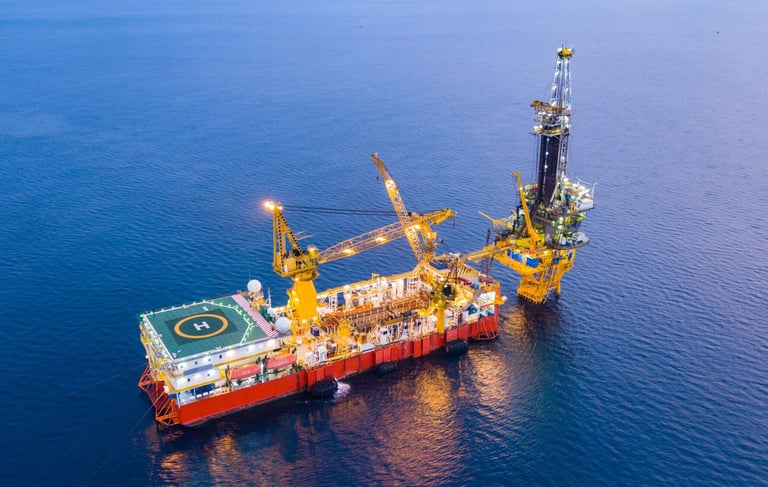
The Búzios Project is one of the world's largest deepwater offshore oil developments, located in the Santos Basin offshore Brazil. Operated by Petrobras, the field is a cornerstone of Brazil's pre-salt production strategy and continues to expand through multiple development phases, utilizing advanced subsea systems and FPSOs (Floating Production, Storage and Offloading units) to maximize hydrocarbon recovery.
The project includes extensive subsea infrastructure comprising production and injection wells, manifolds, umbilicals, risers, flowlines, and export pipelines connected to several FPSOs. Designed to deliver long-term, high-volume production while maintaining operational efficiency, the Búzios Project plays a vital role in strengthening Brazil's offshore energy sector and supporting the country's position as one of the world's leading deepwater oil producers.


Sakarya Gas Field Project
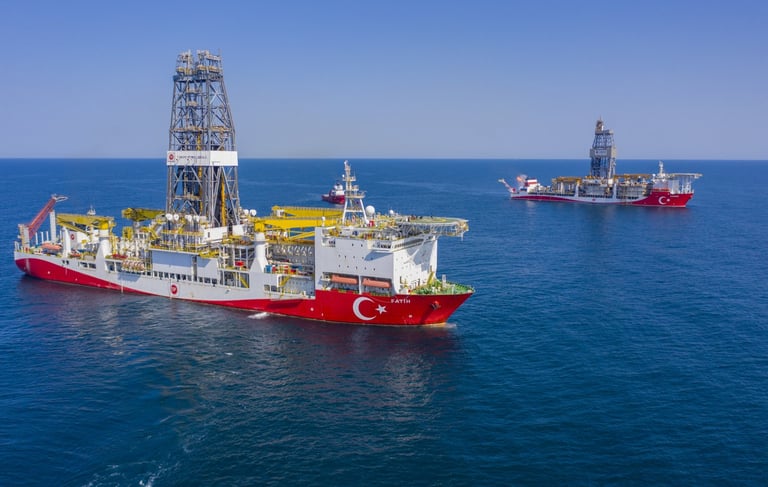
The Sakarya Gas Field Project – Phase 2 is a major offshore natural gas development in the Black Sea, supporting Türkiye’s strategy to increase domestic energy production and reduce import dependency. Located offshore in the Sakarya field, the project focuses on expanding gas output through additional subsea wells, pipelines, and upgraded offshore and onshore processing facilities. Phase 2 builds on initial production to significantly enhance capacity and operational reliability. By strengthening energy security, diversifying supply sources, and supporting long-term economic development, the Sakarya Gas Field Project plays a key role in Türkiye’s energy transition and regional energy landscape.

Marjan Project
The Marjan Project is a major offshore oil and gas development in the Arabian Gulf, forming a key part of Saudi Arabia’s upstream expansion strategy. Located offshore in the Marjan field, the project focuses on increasing crude oil, natural gas, and associated gas production through new offshore facilities and onshore processing infrastructure. The development includes the installation of platforms, subsea pipelines, and upgraded processing units to significantly enhance production capacity. By supporting long-term energy supply, improving operational efficiency, and strengthening domestic and export capabilities, the Marjan Project plays an important role in Saudi Arabia’s energy security and industrial growth.
BP Raven Project
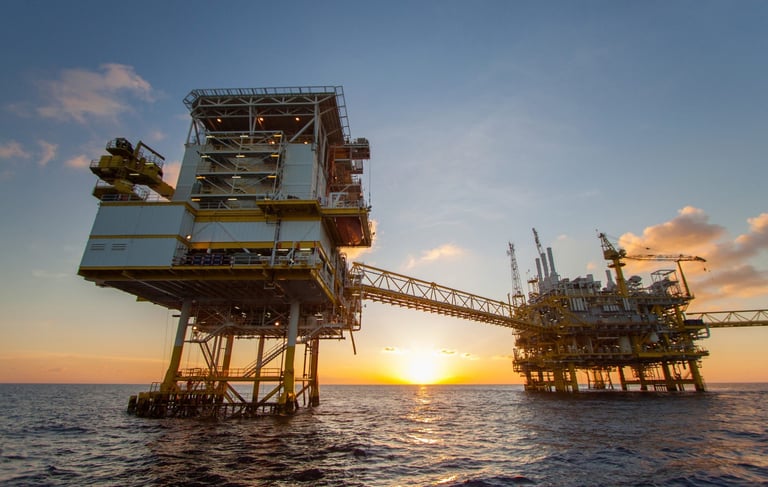
The BP Raven Project is a major offshore natural gas development located in the West Nile Delta, offshore Egypt, in the Mediterranean Sea. Operated by BP, the Raven field is the final phase of the West Nile Delta development and is designed to supply natural gas and condensate to Egypt's domestic energy market through an extensive subsea production system and onshore processing facilities.
The project comprises multiple deepwater subsea wells, manifolds, flowlines, umbilicals, and long-distance subsea tiebacks connected to an onshore gas processing plant. Designed to maximize production while utilizing existing infrastructure, the Raven Project enhances operational efficiency, supports long-term energy security, and strengthens Egypt's offshore natural gas industry. Ongoing infill well developments continue to sustain production and extend the field's operational life.


Miscellaneous Reconstruction & Rebuild Projects in Syria
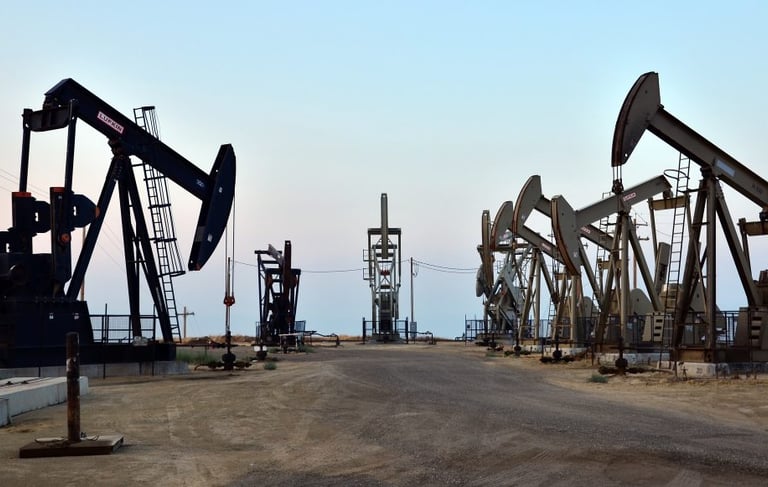
The Miscellaneous Reconstruction & Rebuild Projects in Syria form a key part of the country’s post-war recovery, following the lifting of U.S. and Western sanctions and the gradual reopening of industrial and energy markets. These projects focus on the rehabilitation of oil & gas, mining, and industrial facilities across Syria, aiming to restore critical infrastructure and production capacity. By rebuilding essential assets and supply chains, these initiatives help strengthen energy security, revive industrial activity, and support sustainable economic growth in post-war Syria.
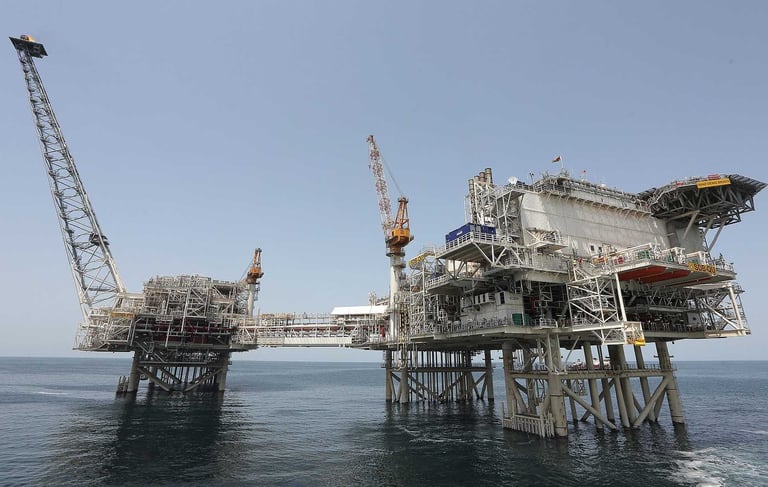
Shah Deniz 1 & 2 Projects
The Shah Deniz 1 and 2 Projects represent one of the largest and most significant natural gas developments globally, located offshore in the Caspian Sea, Azerbaijan. Operated by BP, Shah Deniz 1 began production in 2006, supplying natural gas to regional markets. Shah Deniz 2, an even larger expansion, launched in 2018 and significantly boosted gas production and export capacity.
Together, these phases are the cornerstone of the Southern Gas Corridor, a strategic initiative delivering Caspian gas to Europe, enhancing energy security and diversification. With multiple subsea wells, offshore platforms, and pipeline connections, Shah Deniz strengthens Azerbaijan’s role as a major global energy supplier.
Pointe Noire Yard
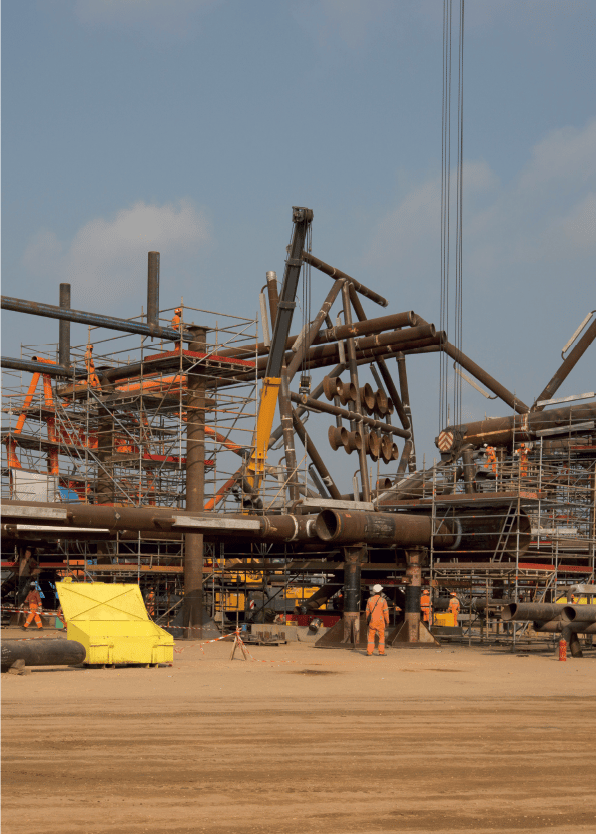
The Pointe Noire Yard Project by Saipem, located in the Republic of Congo, is a major offshore fabrication and logistics center serving the oil and gas sector across West Africa. The facility specializes in the fabrication of pipes, spools, subsea structures, and heavy offshore components, supporting major offshore developments in the region.
Strategically positioned, the yard strengthens Saipem’s operational footprint in Sub-Saharan Africa by offering local content, reducing project delivery times, and supporting regional energy growth. With advanced fabrication capabilities and a focus on safety and efficiency, the Pointe Noire Yard plays a critical role in delivering complex offshore projects, enhancing local workforce development, and reinforcing Saipem’s long-term commitment to the African energy market.
UZ GTL Project
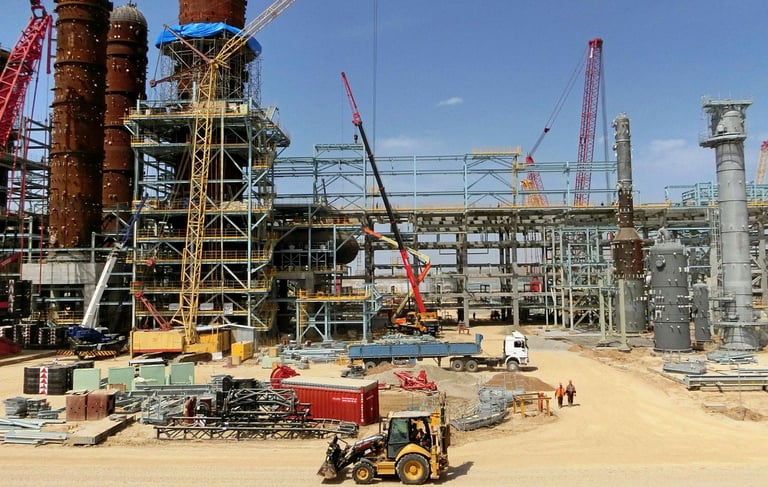
The “UZ GTL Gas-to-Liquid Project” in Nishan, Uzbekistan, is one of the country's most strategic energy initiatives, focused on producing high-quality synthetic fuels. Operated by Uzbekistan GTL, the plant converts natural gas into liquid fuels such as diesel, kerosene, and naphtha using advanced gas-to-liquids (GTL) technology. This project enhances Uzbekistan’s energy independence by reducing the need for imported fuels and supports the development of cleaner energy solutions. Designed to meet international environmental standards, the UZ GTL plant strengthens the country's industrial base and plays a crucial role in diversifying its energy portfolio and boosting economic growth.
South Caucasus Pipeline (SCP)
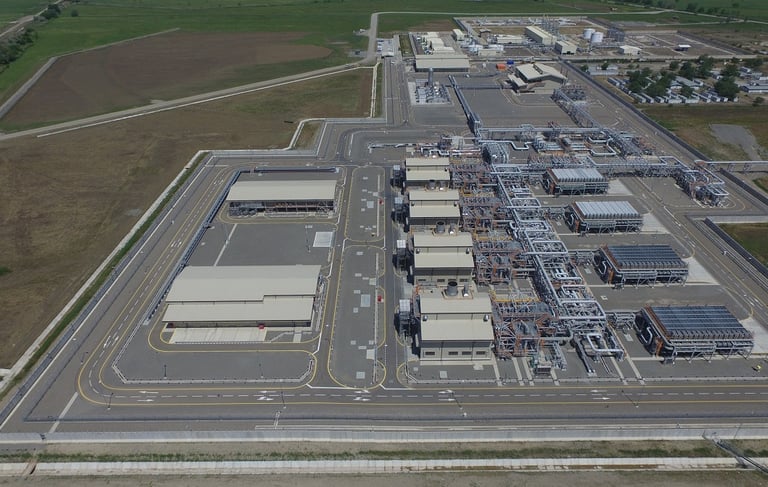
The South Caucasus Pipeline (SCP) is a critical component of the Southern Gas Corridor, transporting natural gas from Azerbaijan’s Shah Deniz field in the Caspian Sea to Georgia and Turkey. Operated primarily by BP, the pipeline spans approximately 691 kilometers and plays a key role in delivering Caspian energy resources to European and regional markets. SCP was expanded under the Shah Deniz Stage 2 project to significantly increase its capacity. By enhancing energy security and diversifying supply routes to Europe, the South Caucasus Pipeline supports regional economic growth and strengthens Azerbaijan’s position as a major global energy exporter.
Our Clients
Trusted global leaders in energy, industry, and infrastructure solutions


Products & Services
Global solutions for Oil and Gas industry needs.
Contact
About
+44-7565-054261
© 2026. All rights reserved.